It’s small enough to fit in your pocket and it’s saved countless lives.
The asthma puffer has had a long journey, stretching back thousands of years to various treatments including asthma cigarettes.
But the asthma puffer as we know it today is all thanks to a young girl’s throwaway comment over breakfast in the 1950s.
Dr Daniel Duke from Monash University tells Marc Fennell (Stuff The British Stole) about how the asthma puffer came into existence and how he fits into its long history as well.
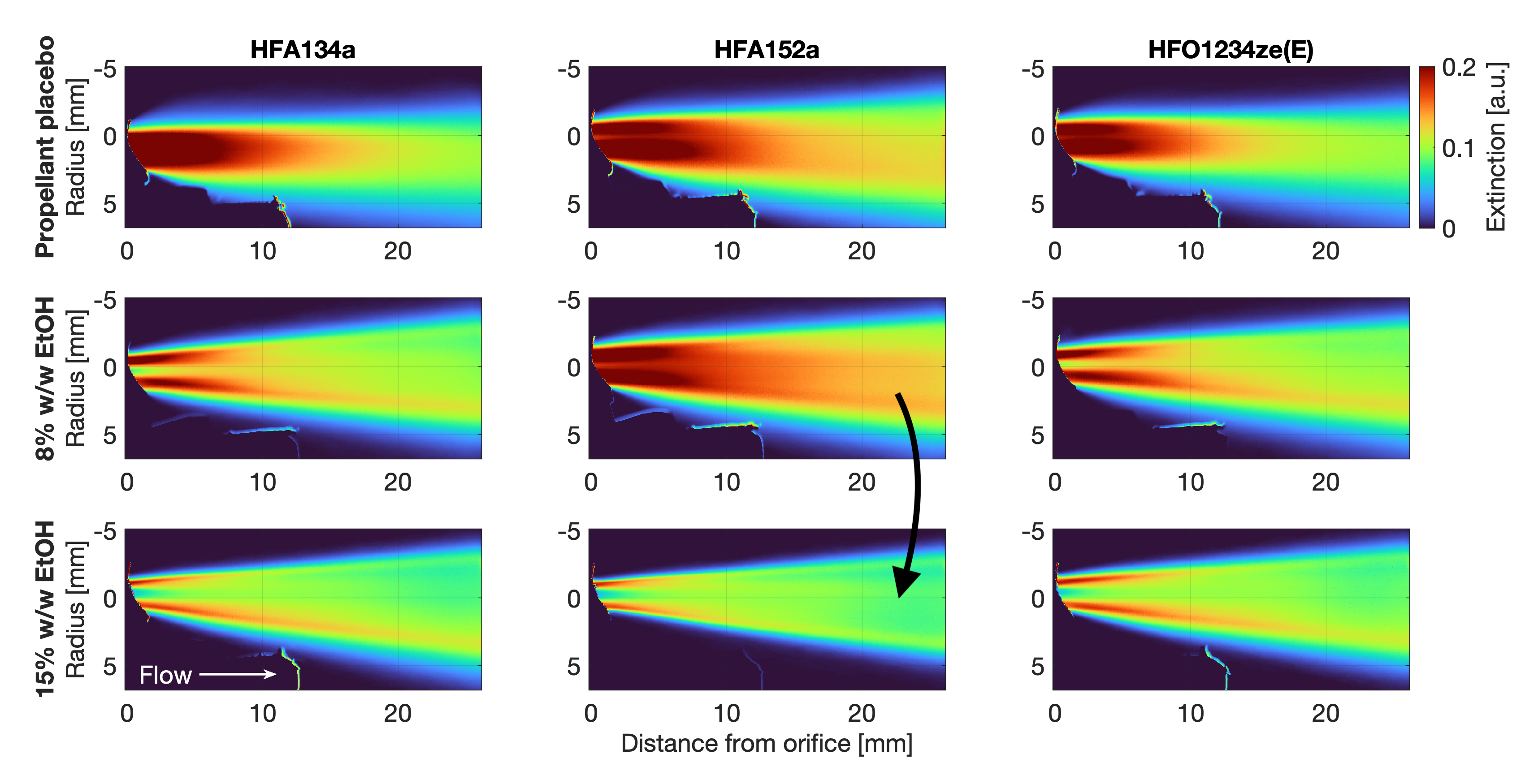
The transition from high Global Warming Potential (GWP) propellants such as HFA134a to low-GWP alternatives such as HFA152a and HFO1234ze(E) in pressurised metered dose inhalers (pMDIs) poses challenges for inhaled pharmaceutical product development.
Changes in the chemicophysical properties of products formulated with low-GWP propellants such as density and viscosity will alter product performance, impacting in-vitro bioequivalence metrics. This study investigates those differences using equivalent pMDI hardware and formulations.
In this paper, we’ve compiled the largest-yet database of high-resolution plume geometry and aerodynamic particle size distributions for a generic becomethasone dipropionate solution formulation with various co-solvent concentrations. With a sufficiently large, high-resolution dataset, small variations in the repeatability and stability of the sprays produced by different propellants become evident, and this helps explain why deposition and drug delivery varies.
I’m delighted to announce that our research group is now the Monash Multiphase Flow Laboratory! We also have a fantastic new logo:
Huge thanks to Anni at Mowgli Studio for the graphic design.
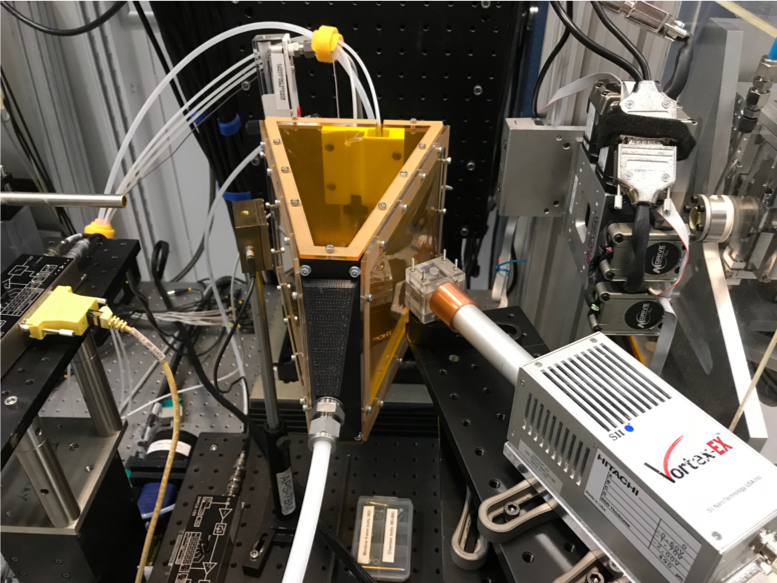
Our group will have openings for both PhD and Postdoc positions in the following areas in 2025: – Pressurised metered dose inhaler research (optical and X-ray fluorescence methods for suspension products) – Cavitation (experimental and computational fluid mechanics) – Flash evaporating sprays for aerospace combustion.
Australian ResearchCouncil Linkage Projects 2023 Round 2 AUD547k over 3 years
“This project aims to develop novel methods to precisely measure and control particle maturation processes in multicomponent technical aerosols. The project expects to generate knowledge in the field of multiphase fluid mechanics and aerosol science through a combination of laser fluorescence, X-ray scattering and microscopy techniques. Expected outcomes of this project include a capacity to engineer particle size and shape in multicomponent aerosols across a range of aerosol devices which are capable of outperforming currently available products while enabling the transition to more environmentally friendly propellant chemicals. This project aims to benefit the pharmaceutical industry by accelerating the design of aerosol delivery systems.”
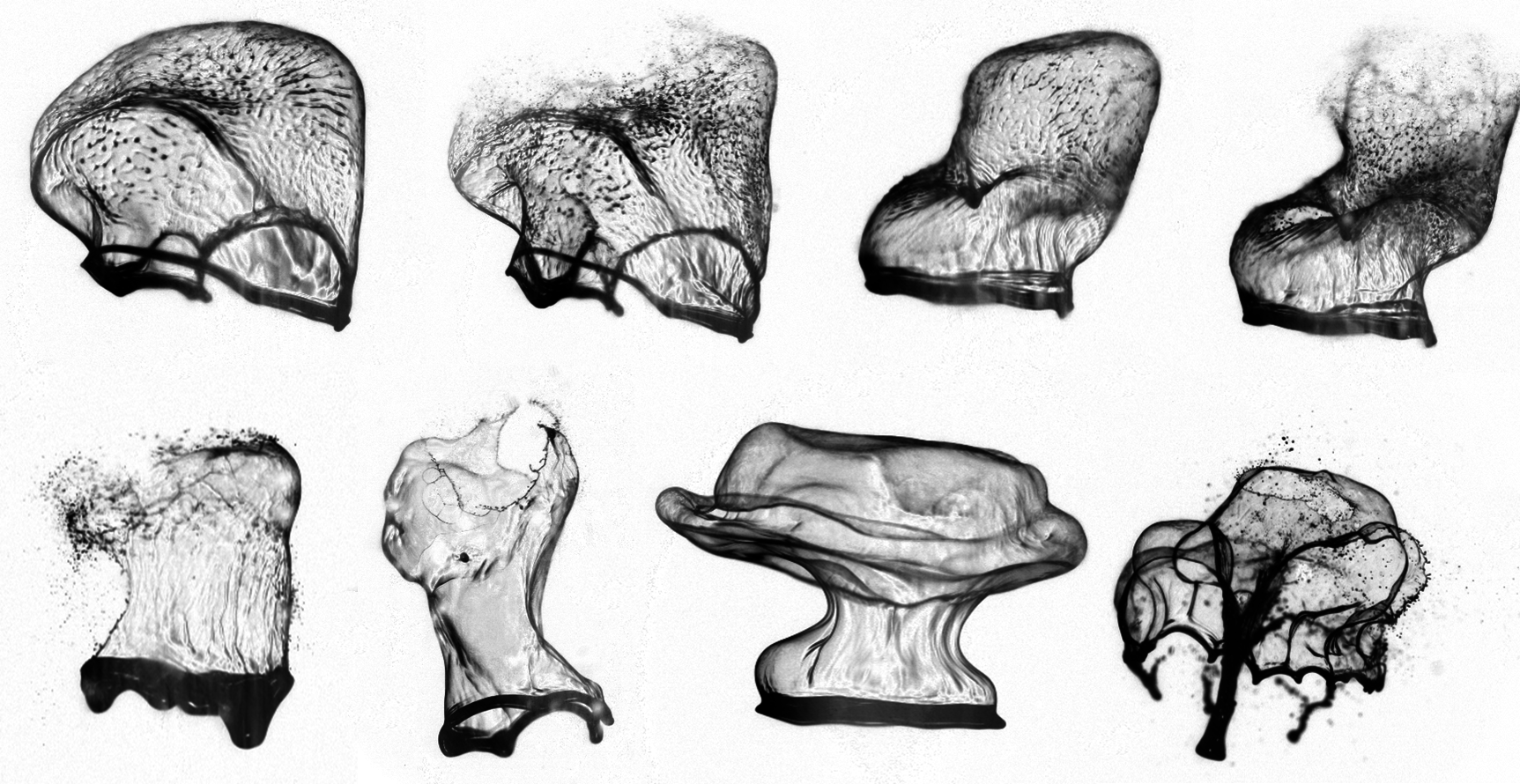
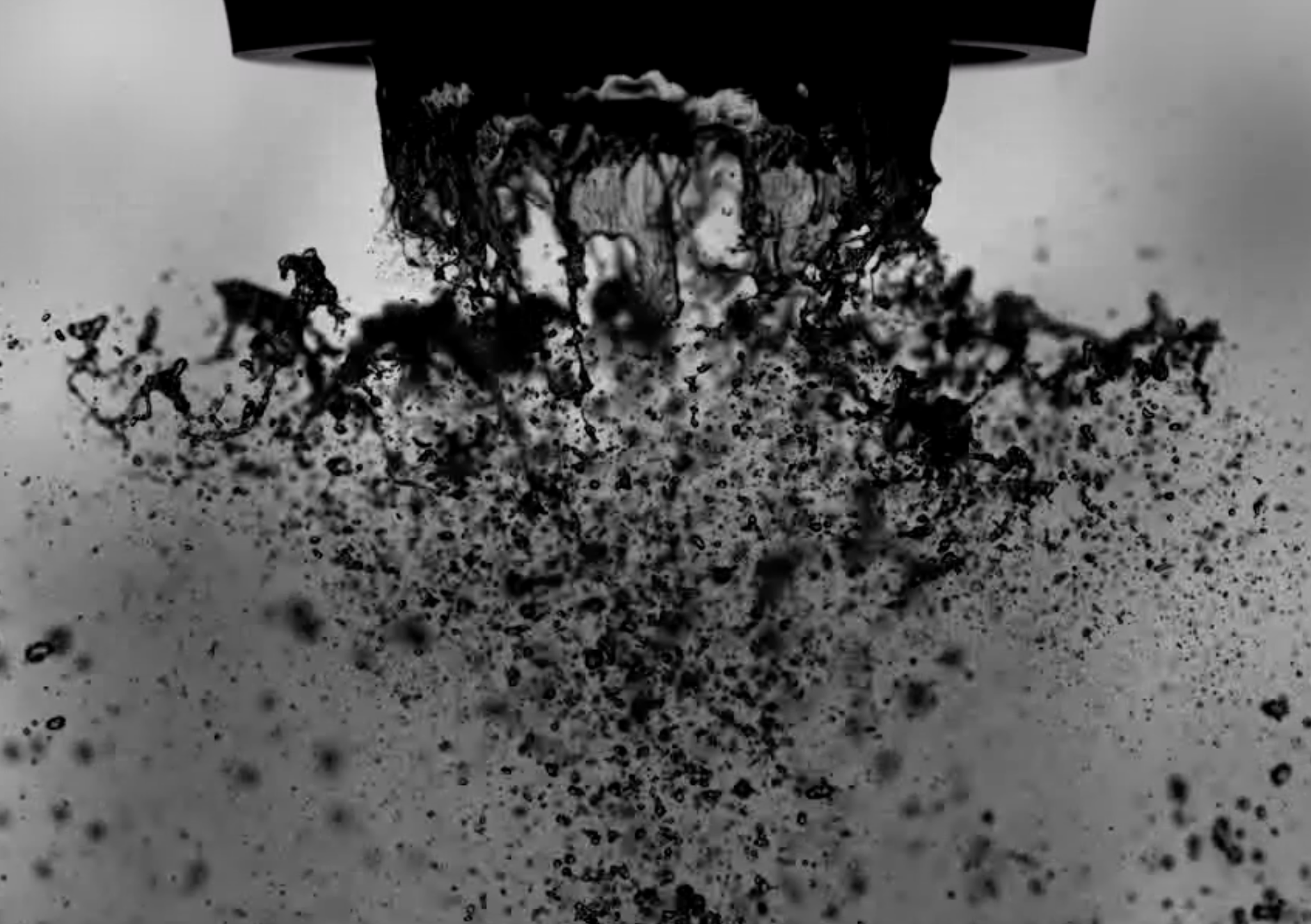
The performance of combustion engines that use liquid fuels depends on the way in which the liquid fuel is aerosolised and mixed prior to combustion. This is true for internal combustion engines to aircraft gas turbines to large rocket motors. Our research group in the Laboratory for Turbulence Research in Aerospace & Combustion (LTRAC) at Monash University studies the fundamental physics of spray atomisation, the process by which liquid jets break up into small droplets. We approach this complex problem in a variety of ways, looking at the smallest scales – individual droplets – up to very large scales involved scale models of injectors used in hybrid and liquid rocket motors.
PhD and Masters projects studying primary liquid atomisation and secondary droplet atomisation are available.



 Dr. Daniel J. Duke
You must be logged in to post a comment.